
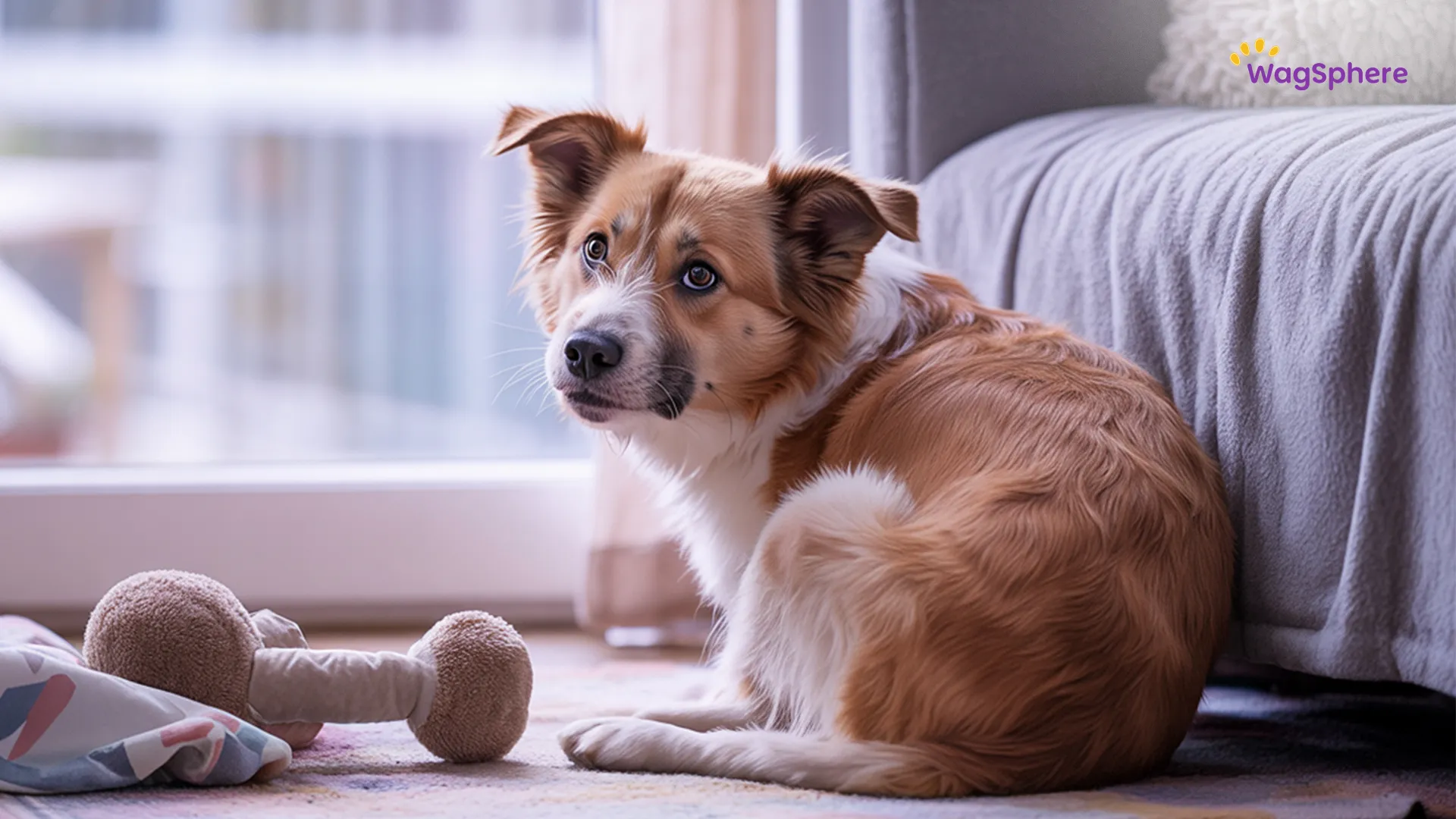

Ever noticed your pet pacing around during Diwali fireworks or hiding when guests arrive? Anxiety in pets is more common than we think — and they can’t exactly say, “Hey, I’m stressed!”
But they do show us. In small, sometimes heartbreaking ways. Let’s decode their silent signals, and learn how to help — simply, gently, and with love.
🐾 1. Sudden Pacing or Restlessness
They can’t sit still. They walk in circles. They pant. It’s like something invisible is bothering them.
Why it happens: Loud noises, separation, or even a change in routine can trigger this. Indian homes get hectic — visitors, celebrations, or shifting flats — and pets feel it too.
What to do:
- Speak calmly, sit near them without forcing cuddles
- Play soft music or white noise (yes, it helps!)
- Try grounding scents like lavender (vet-safe only)
🐾 2. Hiding or Clinging Too Much
Some dogs disappear under the bed, while others become your shadow. Both can be anxiety signs.
What to do:
- Respect their space if they hide
- If they cling, offer gentle reassurance without rewarding panic
- Build confidence with slow exposure to triggers
🐾 3. Sudden Barking, Whining or Meowing
If your otherwise calm pet starts vocalising more — and it’s not for food or attention — they could be feeling insecure or scared.
What to do:
- Rule out pain or illness first
- Stay patient. Shouting makes it worse.
- Use comforting phrases and a low, steady voice
🐾 4. Destructive Chewing or House Soiling
Anxious pets sometimes chew furniture, scratch doors, or forget their toilet training. It’s not misbehaviour — it’s stress.
What to do:
- Avoid punishment
- Give chew toys or frozen treats as outlets
- Create a calm “safe zone” in your home — think blanket, toy, and water

🐾 5. Changes in Eating or Sleeping
Just like us, anxious pets may lose their appetite or oversleep. If your pet suddenly starts skipping meals or seems more tired, anxiety could be a cause.
What to do:
- Stick to a routine (meals, walks, sleep)
- Try anxiety-calming diets or treats (vet-approved)
- Consult your vet for chronic anxiety signs
🚨 When to Call the Vet
If your pet’s anxiety is daily, disruptive, or worsens over time — please talk to your vet. There are safe medications and behavioural therapies that can help.
🧠 The Wagsphere POV
Pet parenting doesn’t need a PhD — just the right guidance.
- Subscribe to Wagsphere for more vet-backed tips that make sense for Indian homes.
- Coming soon: A podcast episode on separation anxiety with Dr. Sonia Rao!