
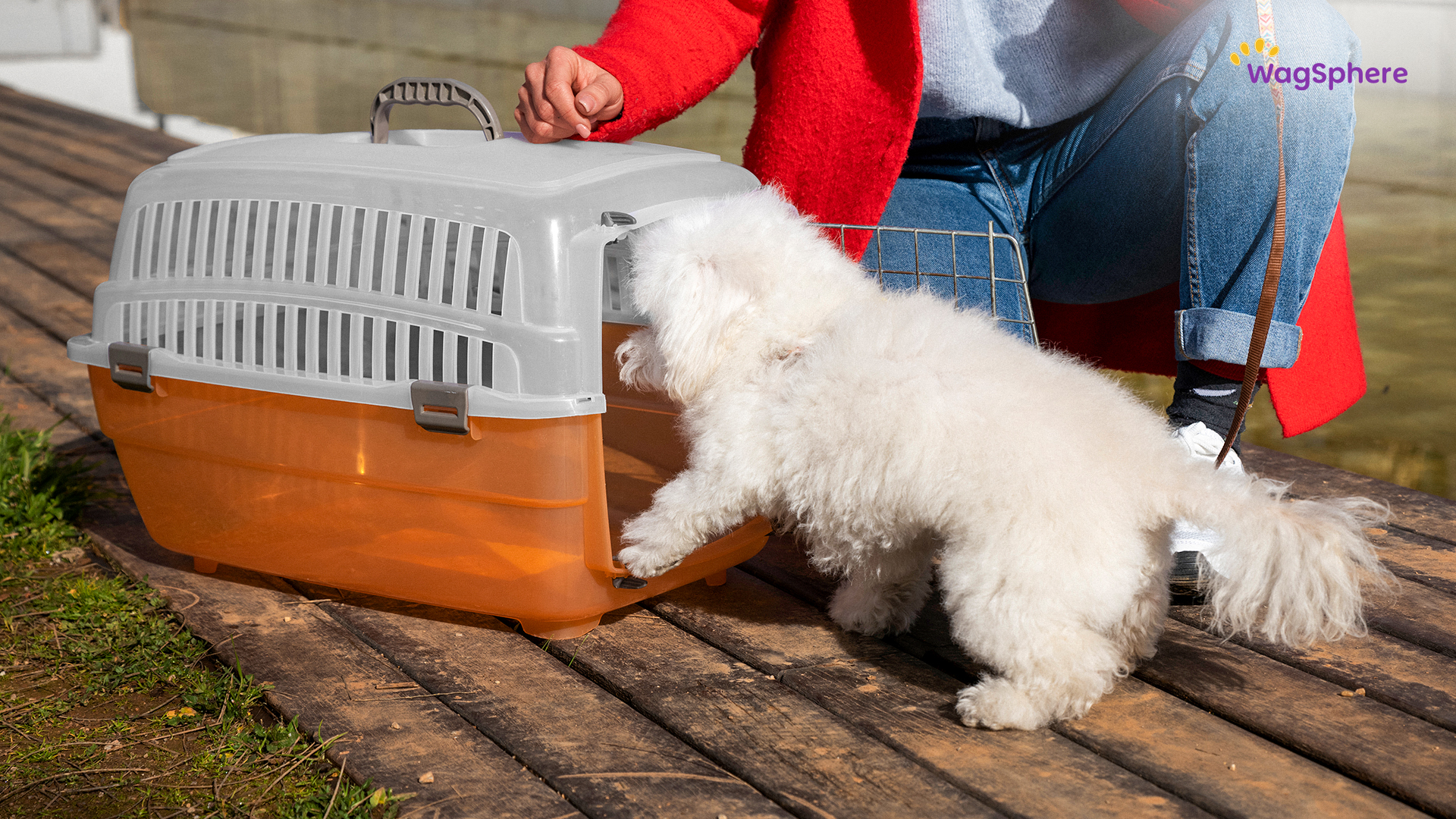

Crate? Isn’t that like jail for dogs? — a common Indian pet parent worry.
In India, crate training gets a bad rap. Many believe it’s cruel or unnecessary — after all, our dogs roam freely, right?
But what if we told you a crate could actually reduce anxiety and make your pet feel safer?
Let’s unpack (pun intended) what crate training really is, and whether it suits your lifestyle.
🤔 1. What is crate training really?
It’s not about locking up your dog.
Crate training is:
- Teaching your dog to see a crate as a safe, personal space
- Helping with house training, travel, and rest
- Creating boundaries for anxious or over-excited pets
Think of it like your dog’s bedroom — not a punishment zone.
🏢 2. Does it work in Indian homes?
Absolutely. Whether it’s a flat or villa:
- In flats: Helps limit destruction when unsupervised
- In villas: Offers quiet space during noisy events (Diwali, guests)
- During travel: Reduces car anxiety
Many trainers in India now recommend crate use — but only with proper positive reinforcement.
🧘 3. When crates help Indian pets
- Puppies who are still potty training
- Rescue dogs adjusting to a new space
- Indies or anxious dogs who get overstimulated
- After surgery or during vet-recommended rest
Crate doesn’t mean “cage” — it means calm.
🚫 4. When NOT to use a crate
- For punishment (this builds crate fear)
- For more than 4–6 hours (unless sleeping)
- If your dog panics or cries — it needs to be reintroduced gently

A crate should never be forced or shut aggressively.
✅ 5. How to crate train the right way
- Leave the door open initially
- Add a comfy mat, favourite toy, and old t-shirt
- Feed treats or meals inside
- Reward calm crate time with praise
💡 Pro Tip: Cover part of the crate to make it den-like
🧠 The Wagsphere POV
Pet parenting doesn’t need a PhD — just the right guidance.
- Stay updated with behaviour tips, straight from the Wagsphere.
- Coming soon: Real Stories – How Indian Indies Took to Crates